Home › Services › Laser hardening
Contract laser hardening: selective hardening of machine components to drawing
With contract laser hardening, only the surface layer is hardened, exactly where your drawing specifies, with little distortion and without quenching media. Our partner company in the Czech Republic hardens parts weighing up to 30 t and supplies a hardness test report with the values achieved for every part.
- Selective surface hardening
- Parts up to 30 t
- Hardness test report for every part
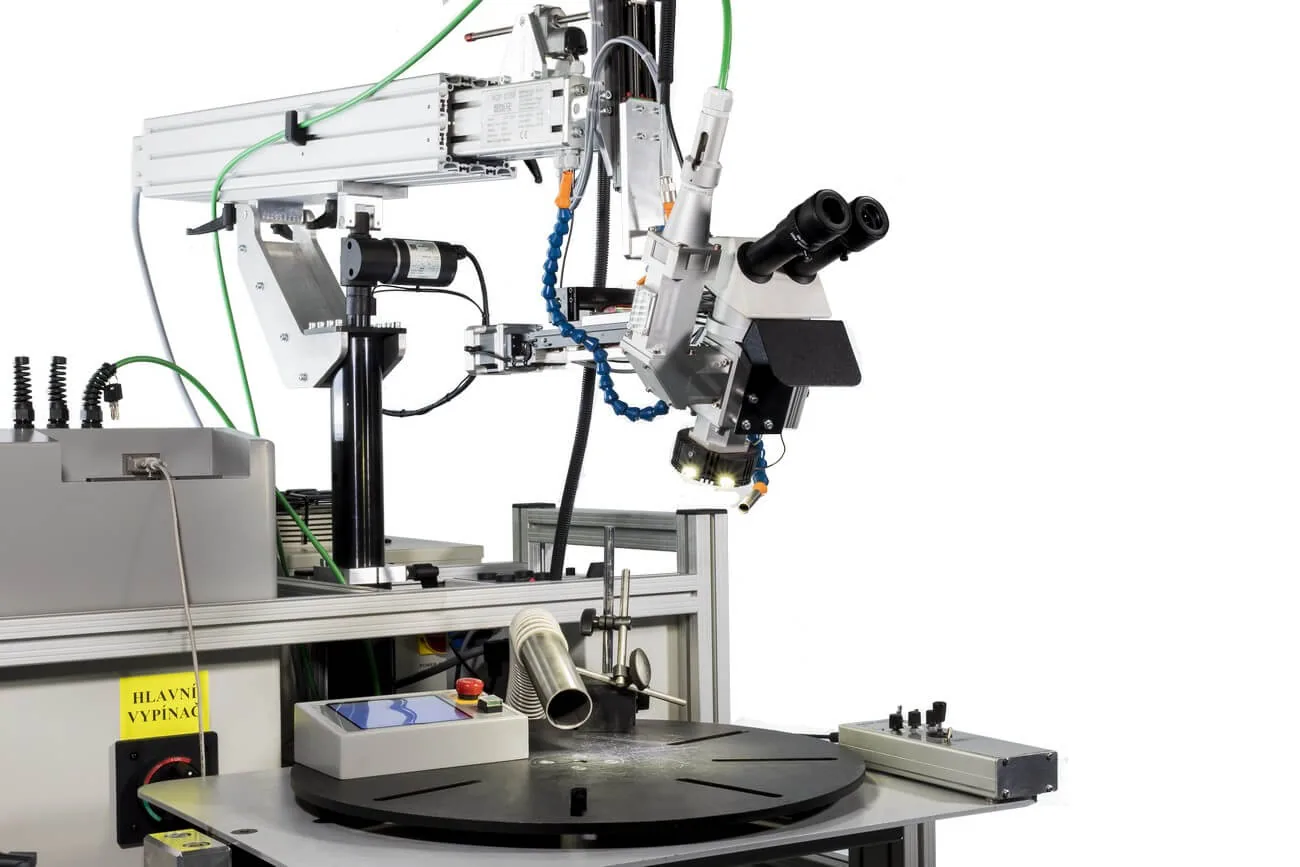
- Based in Jena since 2011
- Manufacturing at our partner in the Czech Republic
- One contract partner in Germany
- Delivery by lorry in 1–2 days
Technical specifications: laser hardening
| Feature | Specification |
|---|---|
| Process | Laser beam hardening (surface hardening), selectively in the specified areas |
| Part weight | up to 30 t |
| Materials | hardenable steels with sufficient carbon content, for example quenched and tempered steels and tool steels such as C45 or 42CrMo4; suitability is checked for each material |
| Hardness and hardening depth | depending on material and part, checked against the specifications on your drawing |
| Documentation | Hardness test report with the values achieved for every hardened part |
| Data for your enquiry | Drawing with hardness specification to DIN ISO 15787 and the areas marked, material, weight, quantity |
How laser hardening works
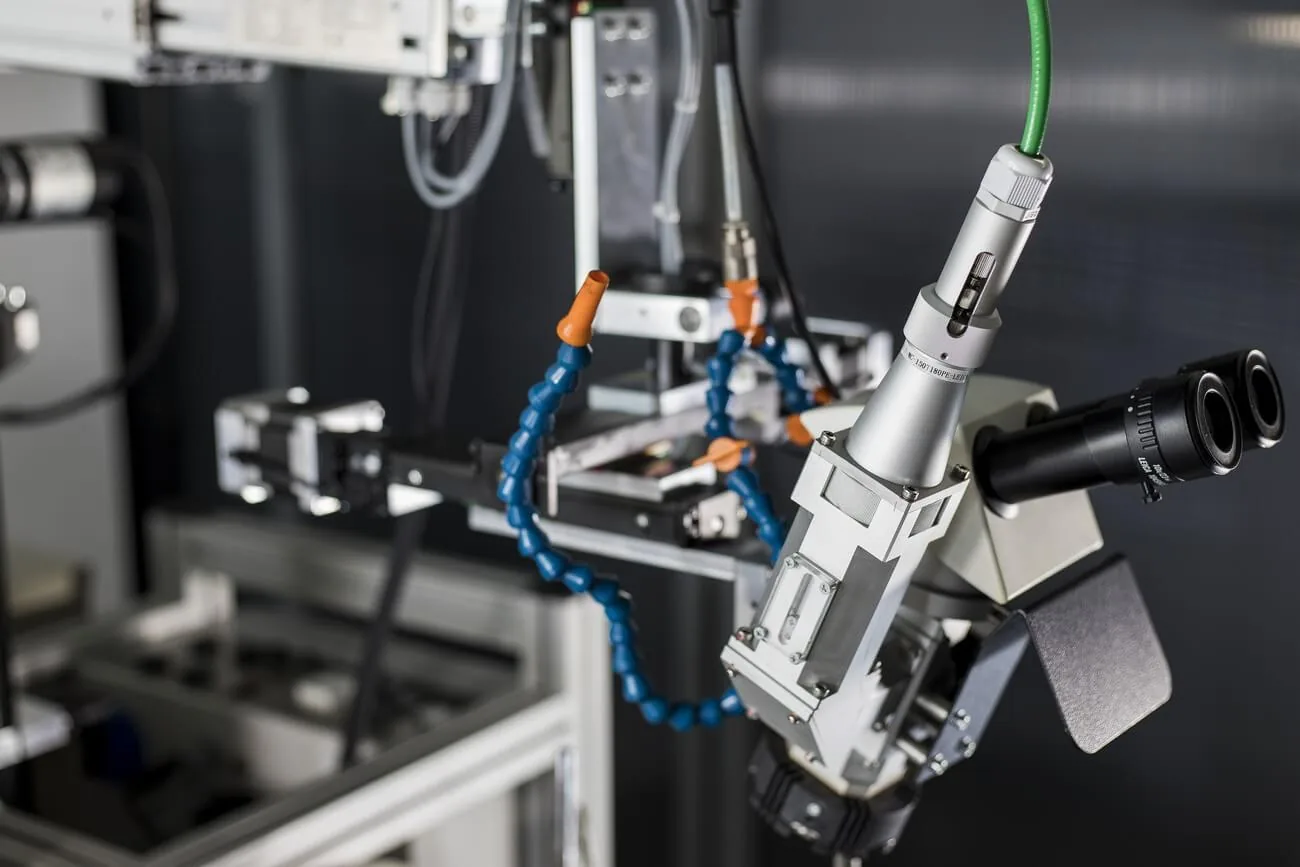
Local heating
The laser beam briefly heats the surface above the hardening temperature at the specified point.
Self-quenching
The cold base material cools the layer rapidly. No oil, water or salt bath is required.
Low distortion
Because only a small area heats up, the part hardly distorts. This saves straightening and reworking.
Documented
The hardness achieved is measured and recorded in the hardness test report.
Typical parts
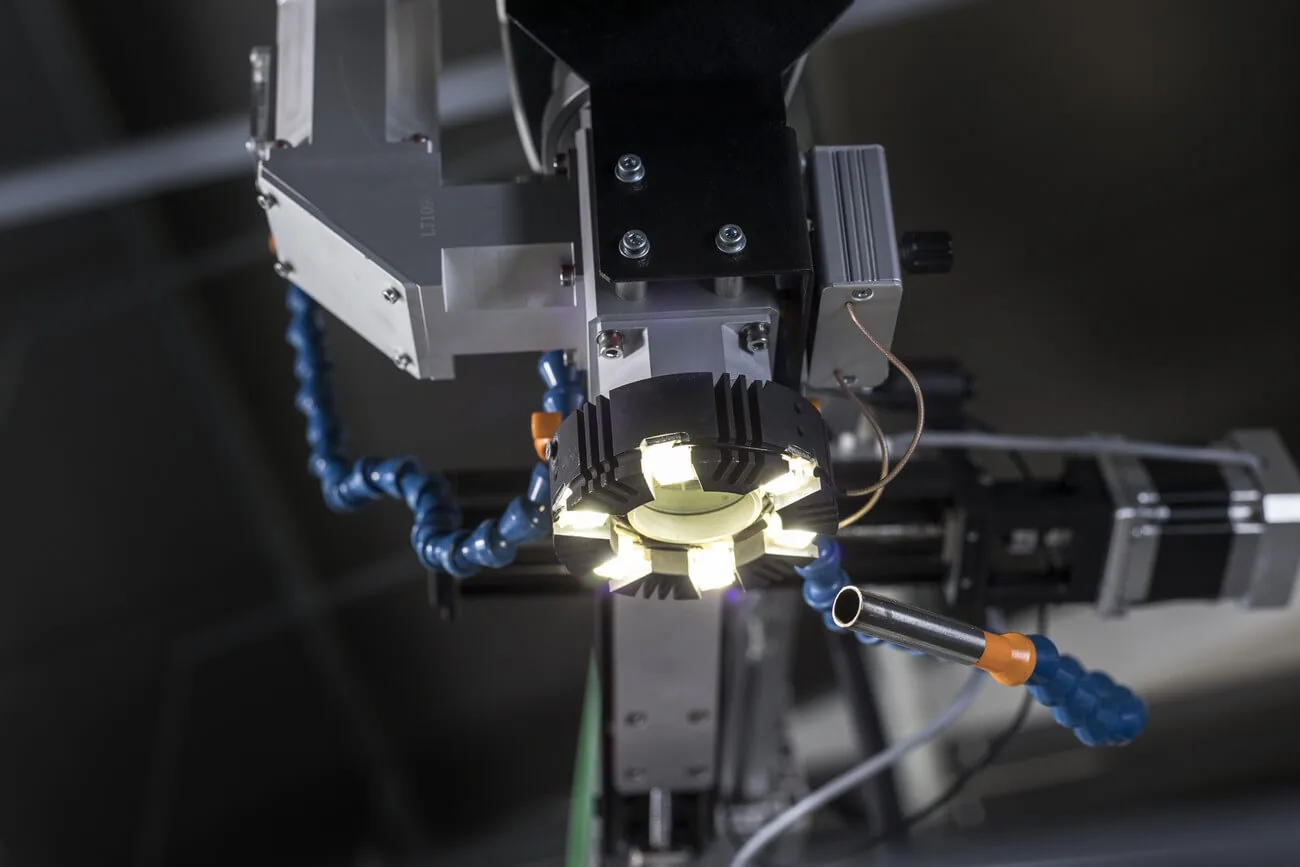
- Shafts and axles at bearing and seal seats
- Guideways and sliding surfaces
- Cams, cam tracks and control surfaces
- Wear surfaces on machine and plant components
- Large parts up to 30 t that are difficult to harden in a furnace
| Laser hardening | Induction hardening | Case hardening | |
|---|---|---|---|
| Hardened area | precise to the point and track | depends on the inductor | usually the whole part, masking is laborious |
| Distortion | low | medium | higher |
| Quenching medium | none (self-quenching) | water or polymer | oil or gas |
| Tooling | no inductor needed | dedicated inductor for each geometry | furnace and carburising |
Process
Send your drawing
With material, hardness specification and marked areas, weight and quantity.
Feasibility
Check of material, geometry and achievable values.
Quotation
Price based on the size and position of the hardened areas, part weight and quantity.
Laser hardening
Hardening at our partner in the Czech Republic.
Report and delivery
Hardness test report with the values achieved, delivery by lorry.
Frequently asked questions about contract laser hardening
What is laser hardening?
A surface hardening process: the laser locally heats the surface above the hardening temperature, and the cold base material quenches the layer by itself. The result is a hard, wear-resistant surface layer with a tough core.
Which materials are suitable?
Hardenable steels with sufficient carbon content, for example quenched and tempered steels and tool steels. We check suitability for your material.
How deep is the hardening?
The hardening depth depends on the material and the part. Specify the required values on the drawing and we will check feasibility.
How do I specify laser hardening on the drawing?
As with other surface hardening processes, to DIN ISO 15787: surface hardness, hardening depth and the area to be hardened.
How heavy can the parts be?
Parts weighing up to 30 t can be laser hardened.
Do I receive documentation?
Yes, a hardness test report with the values achieved for every hardened part.
What are the disadvantages of laser hardening?
The hardening depth is limited, and wide surfaces are hardened in several tracks. For deep hardened layers on large surfaces, induction hardening or case hardening may be a better fit.
Where is the hardening done?
At our partner company in the Czech Republic. Your contract partner is TOP Asia Technik GmbH in Jena.
Related pages
Enquiry: laser hardening
Send us your drawing with hardness specification, material, weight and quantity. We check feasibility and get back to you with a quotation.
- Selective hardening with low distortion
- Hardness test report for every part
- One contact person in Germany
- Non-disclosure agreement (NDA) in advance on request
Prefer to call? 03641 9286337 · Mon–Fri 8 am–6 pm (CET)